
TMJ Pain & Nightsplints
Interested? Book Your Appointment Today
Appointment
TMJ & Night Splints
Relief from jaw pain, grinding and clenching, with a custom-fitted night splint to protect your teeth or muscle-relaxing Botox to calm an overactive jaw.
* Treatment is confirmed after an examination; the right appliance depends on your symptoms and the cause of your jaw pain, clenching or grinding.
Appointment
TMJ & Night Splints
Custom splints that ease jaw pain and protect against grinding.
TMJ & Night Splints
If you wake with jaw pain, headaches, or worn and sensitive teeth, grinding and clenching (often called bruxism) may be the cause, usually while you sleep. We assess your jaw, bite and teeth, then make a custom-fitted night splint that cushions your teeth and takes pressure off the jaw joints, helping you rest easier and protecting your smile from further wear. For some people we also offer Botox, which gently relaxes the jaw muscles that clench to ease pain and headaches. We'll talk through which option, or combination, suits you best.
* Treatment is confirmed after an examination; the right appliance depends on your symptoms and the cause of your jaw pain, clenching or grinding.
Book NowNight Splints & Botox, Gentle Relief for a Sore, Overworked Jaw
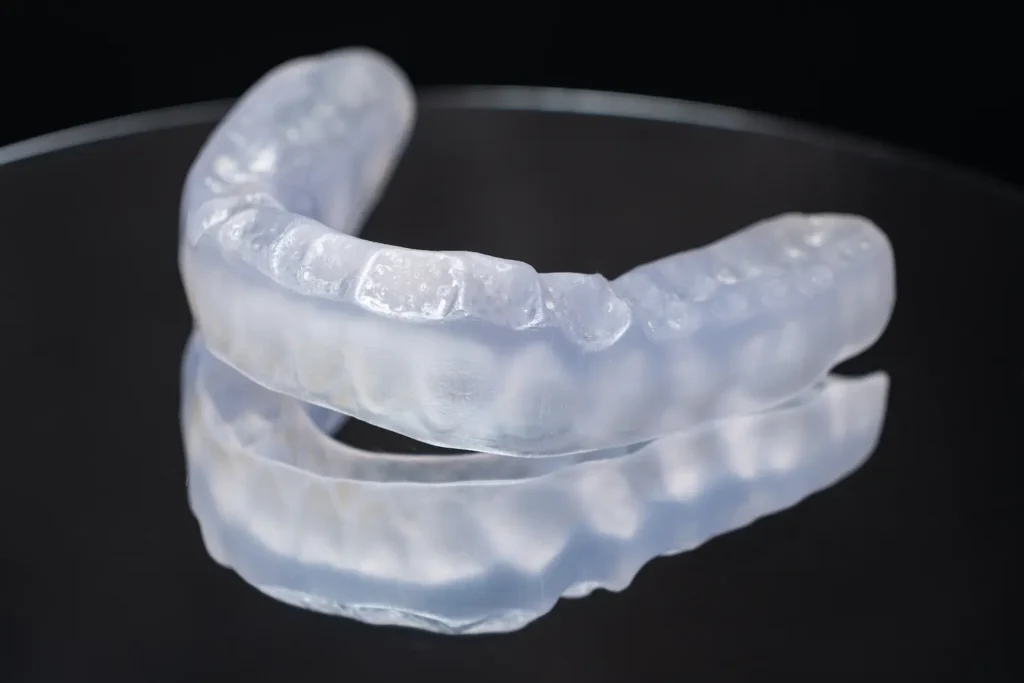
Waking up with a tight jaw, a dull headache, or teeth that feel worn and sensitive is more common than you’d think. At Smile Connections, we see a lot of people who grind or clench in their sleep without even realising it, and over time that pressure wears down teeth and leaves the jaw aching. There are two main ways we help. A custom night splint sits comfortably over your teeth while you sleep, cushioning them and easing the load on your jaw joints. For an overactive jaw, a small amount of Botox can relax the muscles that do the clenching, which settles the tension and often eases the headaches that come with it.
Every treatment starts with a proper look at your teeth, bite, and jaw, so we understand what’s actually driving the problem before we recommend anything. From there we might make a splint fitted precisely to your mouth, suggest Botox, or combine the two, depending on what will give you the most relief. Our Ivanhoe team will talk you through what we find and how each option works, so nothing about it feels like a mystery and you can choose what feels right for you.
Interested? Book Your Consultation Today
Book Your Appointment Today
Comprehensive General Dentistry
Signs of TMJ, When Your Jaw Is Trying to Tell You Something
TMJ trouble tends to creep in slowly, and a lot of people put up with it for years without ever connecting the dots. The clenching and grinding behind it often happens while you sleep, so the first clues show up elsewhere, in your teeth, your head, even your neck. If a few of these sound familiar, it’s worth having your jaw checked.
Jaw Pain or Tightness
An ache or tight, tired feeling in the jaw, often worst first thing in the morning.
Clicking or Popping
A click, pop or grinding sound in the jaw when you open, close or chew.
Morning Headaches
Dull headaches around the temples that are often at their worst when you wake up.
Worn or Sensitive Teeth
Teeth that look flattened or chipped, or that have started to feel newly sensitive.
Tender Facial Muscles
Aching or tired muscles across the cheeks, jaw and temples, sometimes after eating.
Trouble Opening Wide
Discomfort or limited movement when you yawn, chew, or try to open fully.
Jaw Locking
A jaw that catches, sticks, or occasionally locks open or closed as you move it.
Neck & Shoulder Tension
Ongoing tightness that seems to spread from the jaw into the neck and shoulders.
Recognise a few of these? A quick assessment can pinpoint what's going on and which treatment will help.
Services We Offer
General Dentistry
When a tooth is damaged, decayed, or broken, restorative treatment can get it back to full function. We offer fillings, crowns, bridges, and root canal treatment to repair the tooth.
Children's Dentistry
Children’s dentistry is all about building healthy habits early, helping little smiles grow strong with gentle, friendly care that keeps kids calm and confident at every visit.
Dental Implants
Dental implants are the gold standard for a permanent, natural-looking replacement. At Smile Connections, we’ll have you smiling with confidence again.
Veneers
Veneers are a simple way to completely transform your smile, covering imperfections with thin, custom-made shells for a flawless, natural-looking result.
Clear Aligners
Straighten your teeth without the metal brackets. Clear removable aligners gradually shift your teeth into place without anyone even noticing.
Teeth Whitening
Teeth whitening is one of the fastest ways to refresh your smile, using professional-grade treatment to safely lift stains and reveal a brighter, more confident you.
Payment Plans
Interest-free Payment Plans
Flexible payment plans, designed to make treatments more manageable.
General Dentistry Cosmetic Dentistry Family Dentistry
Book Your Appointment Today
We offer free cosmetic consultations
FAQs
What is TMJ?
TMJ stands for the temporomandibular joint, the hinge that connects your jaw to your skull. When people say they “have TMJ,” they usually mean pain or problems with that joint and the muscles around it, often linked to clenching or grinding.
What causes teeth grinding and clenching?
It can come from stress, an uneven bite, sleep issues, or simply habit, and often a mix of these. Many people do it in their sleep without any idea it is happening.
How do I know if I grind my teeth?
Common clues are waking with a sore jaw or headache, worn or sensitive teeth, or a partner hearing grinding at night. If any of these sound familiar, we can check your teeth for the tell-tale signs.
What is a night splint and how does it work?
It is a custom made appliance you wear over your teeth while you sleep. It cushions the teeth so grinding cannot wear them down, and takes pressure off the jaw joints and muscles so they can settle.
Is a night splint the same as a sports mouthguard?
No. A sports mouthguard is built to absorb impact, while a night splint is designed to manage grinding and clenching and protect the bite. Using the right one for the job matters.
How does Botox help with jaw clenching?
A small amount of Botox relaxes the muscles that do the clenching, so they cannot grip as hard. This eases muscle tension, jaw pain, and the headaches that often come with it.
Is Botox for the jaw safe?
When given by a trained clinician it is very safe and widely used. We assess whether it suits you first, and we will always talk through what to expect before going ahead.