
Root Canal Treatment
Interested? Book Your Appointment Today
Appointment
Root Canal Treatment
Save an infected or badly damaged tooth and relieve the discomfort it's causing, rather than losing it to an extraction.
* Treatment is confirmed after an examination; the approach required will vary depending on the tooth's condition and position.
Appointment
Root Canal Treatment
Saving infected or damaged teeth, and relieving discomfort.
Root Canal Treatment
When the nerve inside a tooth becomes infected or inflamed, root canal treatment clears out the source of the problem and seals the tooth up, so it can stay in your mouth doing its job rather than needing to be removed. A crown is often placed afterwards to protect and strengthen the tooth long-term.
* Treatment is confirmed after an examination; the approach required will vary depending on the tooth's condition and position.
Book NowRoot Canal Treatment, Saving Your Natural Tooth
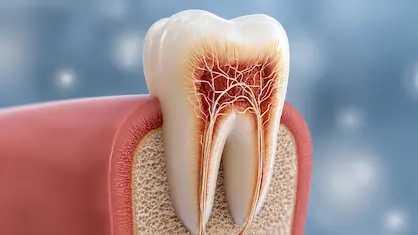
Losing a tooth isn’t always the only option, even when it’s infected or badly damaged. At Smile Connections, root canal treatment clears out the source of the problem and seals the tooth, so it can stay exactly where it is rather than needing to come out. It’s a treatment we reach for whenever a tooth can realistically be saved, because keeping your natural tooth in place is almost always better for your bite and the teeth around it than replacing it. Once treated, a crown is often placed on top to protect and strengthen the tooth for the long run.
Every appointment starts with a proper look at the tooth, x-rays included, so we know exactly what’s going on before we begin. Local anaesthetic keeps things comfortable throughout, and most root canal treatments are completed within one or two visits depending on the tooth. Our Ivanhoe team will walk you through what’s happening at each step, so nothing catches you off guard.
Interested? Book Your Consultation Today
Book Your Appointment Today
Comprehensive General Dentistry
What's The Process Of A Root Canal?
Root canal treatment follows five clear stages, from the moment we first look at the tooth to the crown that finishes the job and protects it long-term. It’s usually completed over one to two visits, so there’s a bit more to plan around than a straightforward filling, but nothing drawn-out or complicated. We’ll walk you through each stage as we go, explaining what we’re doing and why, so you always feel informed and at ease with what’s happening next.
Step 01 of 05
Examination & Diagnosis
We'll examine the tooth and take an x-ray to check the extent of the infection or damage, then talk you through why root canal treatment is the recommended option.
Anaesthetic & Access
A local anaesthetic keeps you comfortable while we create a small opening in the tooth, giving us access to the canal where the problem is.
Cleaning & Shaping
The affected tissue inside the tooth is carefully removed, and the canal is cleaned and shaped so it's ready to be sealed.
Filling & Sealing
Once clean, the canal is filled with a biocompatible material and sealed to keep the tooth protected from further infection.
Crown Placement
A crown is usually fitted over the treated tooth to protect and strengthen it, restoring full function so it can keep doing its job for years to come.
Services We Offer
General Dentistry
When a tooth is damaged, decayed, or broken, restorative treatment can get it back to full function. We offer fillings, crowns, bridges, and root canal treatment to repair the tooth.
Children's Dentistry
Children’s dentistry is all about building healthy habits early, helping little smiles grow strong with gentle, friendly care that keeps kids calm and confident at every visit.
Dental Implants
Dental implants are the gold standard for a permanent, natural-looking replacement. At Smile Connections, we’ll have you smiling with confidence again.
Veneers
Veneers are a simple way to completely transform your smile, covering imperfections with thin, custom-made shells for a flawless, natural-looking result.
Clear Aligners
Straighten your teeth without the metal brackets. Clear removable aligners gradually shift your teeth into place without anyone even noticing.
Teeth Whitening
Teeth whitening is one of the fastest ways to refresh your smile, using professional-grade treatment to safely lift stains and reveal a brighter, more confident you.
Payment Plans
Interest-free Payment Plans
Flexible payment plans, designed to make treatments more manageable.
General Dentistry Cosmetic Dentistry Family Dentistry
Book Your Appointment Today
We offer free cosmetic consultations
FAQs
What is root canal treatment?
Root canal treatment removes the infected or damaged tissue from inside a tooth, then cleans, seals and restores it, allowing you to keep your natural tooth instead of having it removed.
How do I know if I need a root canal?
Common signs include persistent tooth pain, sensitivity to hot or cold that lingers, swelling or tenderness in the gum near a tooth, or a tooth that’s darkened in colour. Sometimes there are no obvious symptoms, and it’s picked up during a routine check-up or x-ray.
Is root canal treatment painful?
The area is fully numbed with local anaesthetic before we start, so you shouldn’t feel pain during the procedure. Most people find it no more uncomfortable than getting a filling, and any soreness afterwards is usually mild and settles within a few days.
How many visits does it take?
Most root canal treatments are completed over one to two visits, depending on the tooth and how straightforward the treatment is. A separate visit is then needed to fit the crown once the tooth has settled.
Will I definitely need a crown afterwards?
In most cases, yes. Root canal treatment can leave a tooth more brittle over time, so a crown is generally recommended to protect it and restore full biting strength.
How successful is root canal treatment?
Root canal treatment has a high success rate, and treated teeth can often last just as long as your other natural teeth with good oral hygiene and regular check-ups. Occasionally a tooth can become reinfected, in which case further treatment may be needed.
Is root canal treatment better than just extracting the tooth?
Where possible, keeping your natural tooth is usually the better long-term option. It avoids the need for a bridge, implant, or denture down the track, and keeps your bite and surrounding teeth functioning as they should.