
Clear Aligners
Interested? Book Your Free Consultation
No cost, no obligation
Free Clear Aligners Consultation
A relaxed, no-pressure 15-minute chat with our team to find out if clear aligners are the right way to straighten your smile.
* Free consultation covers clear aligner suitability and advice; further diagnostic imaging (such as scans or X-rays) or a full comprehensive examination may incur a separate fee if required.
Free Clear Aligners Consultation
No cost, no obligation
Free Clear Aligners Consultation
A relaxed, no-pressure 15-minute appointment to discuss straightening your smile with our experienced team. We'll assess your teeth and bite, talk through your goals, and recommend the clear aligner option that suits you best.
* Free consultation covers clear aligner suitability and advice; further diagnostic imaging (such as scans or X-rays) or a full comprehensive examination may incur a separate fee if required.
Book NowClear Aligners, A Discreet Way to Straighten Your Smile
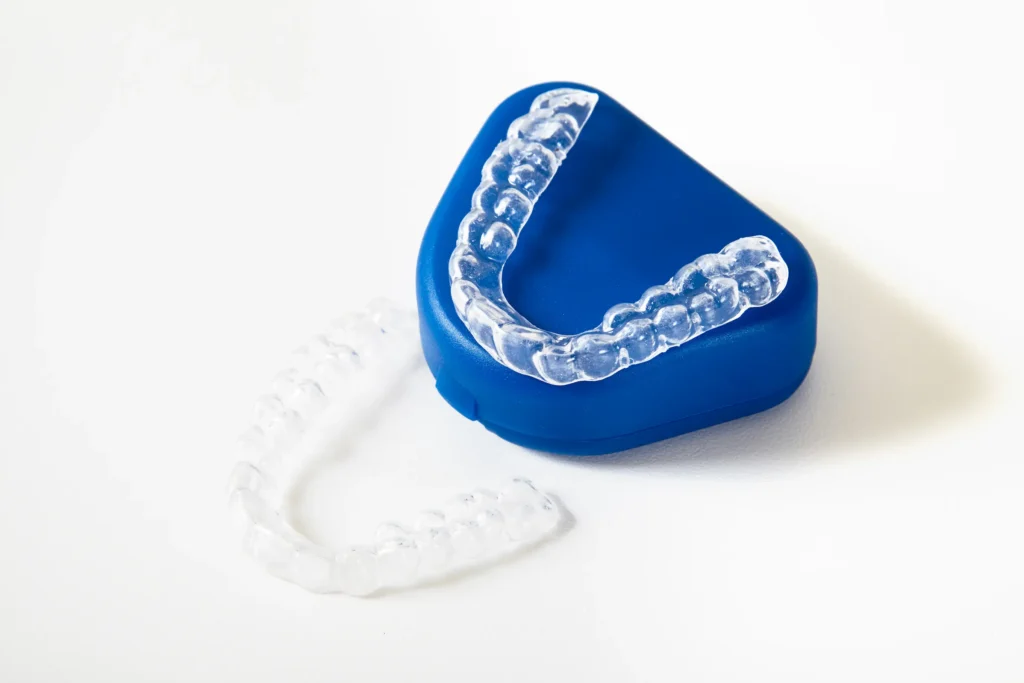
Straightening your teeth doesn’t have to mean a mouth full of metal. Clear aligners are thin custom made trays that sit over your teeth and move them along a little at a time. Most people you talk to won’t notice you’re wearing them. They come out, too, so you eat what you like and brushing and flossing carry on as normal.
Crowded teeth, gaps, a bite that’s never quite sat right, aligners can handle most cases, and they do it quietly.
We start with a good look at your teeth and bite plus a digital scan, which lets us show you on screen where your teeth are now and where they’ll end up. You get to see the ending before you commit to it.
From there it’s a new set of trays every couple of weeks and short catch ups with us to make sure everything’s tracking. We’ll walk you through the whole plan before you decide on anything.
Interested In Clear Aligners? Book Your Consultation Today
Book Your Appointment Today
Comprehensive General Dentistry
Thinking About Clear Aligners?
Here’s how the journey works, who they suit best, and the answers to the questions we hear most.
A chat and a quick 3D scan
We have a proper look at your teeth and your bite, hear what's been bothering you, and run a small handheld scanner over your teeth. No trays of putty. The scan tells us whether aligners will actually shift your teeth the way you want, and if they won't, we'll say so.
Seeing where you'll end up
Your scan gets turned into a plan that shows each tooth travelling from where it sits now to where it's headed. You'll watch the whole thing on screen and see the finished result before you agree to anything. Once you're happy with it, your trays get made to fit your teeth and nobody else's.
Wearing them
A new set every week or two, worn about 20 to 22 hours a day. Out for meals, out for brushing, back in afterwards. It feels odd for the first few days and then you stop thinking about it. We'll see you now and again for a quick check that everything's moving the way the plan says it should.
All finished
Your teeth settle into their new spot over the following months. After that you'll have a retainer, because teeth will happily wander back if nothing's holding them. Wear it the way we suggest and the result stays where you put it.
Crowded teeth
Teeth that overlap or sit on top of each other, which also makes them a pain to floss.
Gaps and spacing
Spaces between your teeth that you've always meant to do something about.
Mild bite issues
A small overbite, underbite or crossbite that changes how your teeth meet.
Shifting after braces
You had braces years ago, the retainer went in a drawer, and things have quietly moved since. Happens all the time.
Keeping it quiet
You'd rather sort your teeth out without it being obvious to everyone at work.
Not much spare time
Fewer appointments than braces, and nothing that stops you eating properly or playing sport.
Will people notice them?
Do they hurt?
How long does it take?
Can I eat and drink normally?
How much do I have to wear them?
What happens when I'm done?
Services We Offer
General Dentistry
When a tooth is damaged, decayed, or broken, restorative treatment can get it back to full function. We offer fillings, crowns, bridges, and root canal treatment to repair the tooth.
Children's Dentistry
Children’s dentistry is all about building healthy habits early, helping little smiles grow strong with gentle, friendly care that keeps kids calm and confident at every visit.
Dental Implants
Dental implants are the gold standard for a permanent, natural-looking replacement. At Smile Connections, we’ll have you smiling with confidence again.
Veneers
Veneers are a simple way to completely transform your smile, covering imperfections with thin, custom-made shells for a flawless, natural-looking result.
Clear Aligners
Straighten your teeth without the metal brackets. Clear removable aligners gradually shift your teeth into place without anyone even noticing.
Teeth Whitening
Teeth whitening is one of the fastest ways to refresh your smile, using professional-grade treatment to safely lift stains and reveal a brighter, more confident you.
Payment Plans
Interest-free Payment Plans
Flexible payment plans, designed to make treatments more manageable.
General Dentistry Cosmetic Dentistry Family Dentistry
Book Your Appointment Today
We offer free cosmetic consultations
FAQs
Are clear aligners really invisible?
They’re very discreet. The trays are made from thin, clear plastic that sits snugly over your teeth, so most people won’t notice you’re wearing them during everyday conversation, which is one of the main reasons patients choose them over traditional braces.
How long does treatment take?
It depends on how much movement your smile needs. Many people finish within 6 to 18 months, and we’ll give you a clear timeframe as part of your custom plan before you start, so you know exactly what to expect.
Can I eat and drink normally?
Absolutely, and that’s a big advantage. You simply take your aligners out to eat and drink (anything other than water), give your teeth a quick brush, and pop them back in. There are no food restrictions at all.
How many hours a day do I need to wear them?
For the best results, aim for around 20 to 22 hours a day, essentially all the time except when you’re eating, drinking or cleaning your teeth. The more consistent you are, the smoother and quicker your treatment tends to be.
How do I clean my aligners?
Rinse them each time you take them out, and gently brush them with a soft toothbrush and a little mild soap or clear aligner cleaner. Avoid hot water, which can warp the plastic, and always brush your teeth before putting them back in.
Are clear aligners suitable for everyone?
They’re a great fit for many people with crowding, gaps, or mild bite issues, but some more complex cases are better suited to other options. The best way to know for sure is a quick, free consultation, where we’ll take a proper look and give you honest advice.