
Wisdom Teeth Extractions
Interested? Book Your Appointment Today
Appointment
Wisdom Teeth Extractions
Safe, comfortable removal of impacted or problematic wisdom teeth, taking the pressure, pain and infection risk off your smile.
* Treatment is confirmed after an examination and x-rays; the approach required will vary depending on the position and condition of the tooth.
Appointment
Wisdom Teeth Extractions
Safe removal of impacted or problematic wisdom teeth.
Wisdom Teeth Extractions
If your wisdom teeth are impacted, causing pain, swelling, or crowding, or coming through at an awkward angle, our team will assess their position with x-rays and recommend the safest way to remove them, with clear guidance on what to expect before and after your appointment.
* Treatment is confirmed after an examination and x-rays; the approach required will vary depending on the position and condition of the tooth.
Book NowWisdom Teeth Extractions, Professional and Comfortable Care
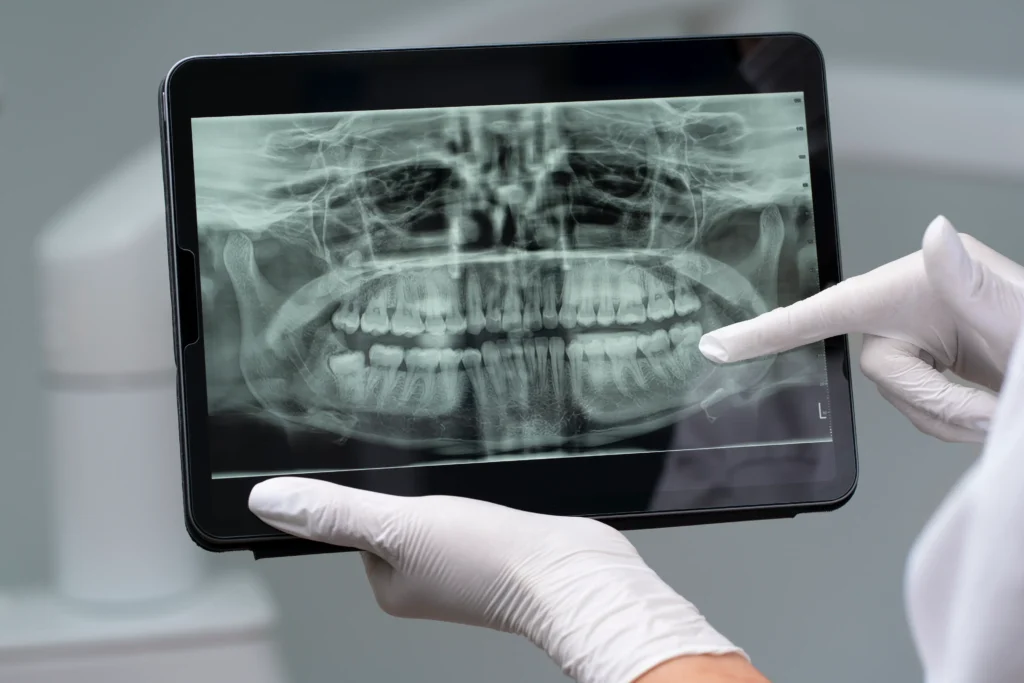
Wisdom teeth often need a bit of extra attention as they come through, and it’s one of the procedures our team handles more than almost any other. Whether they’re impacted, growing in at an angle, or causing some discomfort, we’ve got the experience to assess exactly what’s going on and take the right approach to remove them. From straightforward extractions to more involved surgical cases, it’s a procedure we perform regularly and confidently, so you’re in capable hands from start to finish.
Interested? Book Your Consultation Today
Book Your Appointment Today
Comprehensive General Dentistry
Why Do Most Wisdom Teeth Need To Come Out?
Some wisdom teeth are fine where they are and never need touching. Many of the ones that cause trouble usually do it for the same handful of reasons. Not enough room, growing at an odd angle, or only half through the gum. Here’s what we look at when we’re working out whether one should stay or come out.
Why It May Be Needed
Impacted Teeth
When a wisdom tooth doesn't have enough space to come through properly, it can get stuck against the bone or the tooth next to it. Left alone, this can lead to ongoing pain, swelling, or infection, which is why removal is often recommended.
When a wisdom tooth doesn't have enough space to come through properly, it can get stuck against the bone or the tooth next to it. Left alone, this can lead to ongoing pain, swelling, or infection, which is why removal is often recommended.
Many jaws simply aren't big enough to fit a full set of wisdom teeth alongside everything else. When there's no room for them to sit properly, they can push against neighbouring teeth and gradually affect your bite or alignment.
When a wisdom tooth only partly breaks through the gum, it creates a flap of tissue where food and bacteria can easily get trapped. This often leads to recurring swelling and infection around the tooth, known as pericoronitis.
Sitting right at the back of the mouth, wisdom teeth are notoriously hard to reach with a toothbrush and floss, making them more prone to decay and gum disease. Once a problem takes hold there, removal is often the simplest long-term fix.
An impacted wisdom tooth can occasionally lead to a fluid-filled cyst forming around it, which may put pressure on nearby tooth roots and jawbone if it's not addressed. Removing the tooth early helps avoid this kind of damage further down the track.
Wisdom teeth don't always grow straight up. Sometimes they come through sideways or at an angle, pressing directly into the tooth next to it. This can cause discomfort and, over time, put the neighbouring tooth at risk too.
Services We Offer
General Dentistry
When a tooth is damaged, decayed, or broken, restorative treatment can get it back to full function. We offer fillings, crowns, bridges, and root canal treatment to repair the tooth.
Children's Dentistry
Children’s dentistry is all about building healthy habits early, helping little smiles grow strong with gentle, friendly care that keeps kids calm and confident at every visit.
Dental Implants
Dental implants are the gold standard for a permanent, natural-looking replacement. At Smile Connections, we’ll have you smiling with confidence again.
Veneers
Veneers are a simple way to completely transform your smile, covering imperfections with thin, custom-made shells for a flawless, natural-looking result.
Clear Aligners
Straighten your teeth without the metal brackets. Clear removable aligners gradually shift your teeth into place without anyone even noticing.
Teeth Whitening
Teeth whitening is one of the fastest ways to refresh your smile, using professional-grade treatment to safely lift stains and reveal a brighter, more confident you.
Payment Plans
Interest-free Payment Plans
Flexible payment plans, designed to make treatments more manageable.
General Dentistry Cosmetic Dentistry Family Dentistry
Book Your Appointment Today
We offer free cosmetic consultations
FAQs
Do all wisdom teeth need to be removed?
Not necessarily. If a wisdom tooth comes through straight, fully, and in a spot where it’s easy to keep clean, it can sometimes be left alone and simply monitored. Removal is generally recommended when a tooth is impacted, causing pain, crowding, or repeated infection.
At what age do wisdom teeth usually need to come out?
Most people have their wisdom teeth assessed in their late teens to mid-20s, as this is when they typically start coming through. Removal tends to be more straightforward at this age, since the roots aren’t fully formed and the surrounding bone is softer.
How do I know if my wisdom teeth are causing a problem?
Common signs include pain or swelling at the back of the jaw, tenderness when biting down, bad breath or an unpleasant taste, or stiffness in the jaw. Sometimes there are no obvious symptoms at all, and the issue is only picked up on an x-ray.
Is wisdom teeth removal more involved than a regular extraction?
It can be. Since wisdom teeth are often impacted or growing at an angle, they’re more likely to need a surgical extraction rather than a simple one, which may involve a small incision and a slightly longer recovery.
What does recovery look like after wisdom teeth removal?
Some swelling, bruising and discomfort in the first few days is normal, usually managed well with pain relief and rest. Most people feel back to normal within a week or so, though full healing of the gum and bone underneath takes longer.