
Tooth Extractions
Interested? Book Your Appointment Today
Appointment
Tooth Extractions
Safe, comfortable removal of decayed, damaged or problem teeth, performed with your comfort and long-term oral health as the priority.
* Treatment is confirmed after an examination; the type of extraction required will vary depending on the tooth's condition and position.
Appointment
Tooth Extractions
Safe, comfortable removal of decayed, damaged or problem teeth.
Tooth Extractions
Whether a tooth is too decayed or damaged to save, impacted, or needs to come out to make way for orthodontic treatment, our team will assess the tooth and recommend the safest, most comfortable way to remove it, with clear guidance on aftercare and any replacement options if needed.
* Treatment is confirmed after an examination; the type of extraction required will vary depending on the tooth's condition and position.
Book NowTooth Extractions, Gentle and Comfortable Care
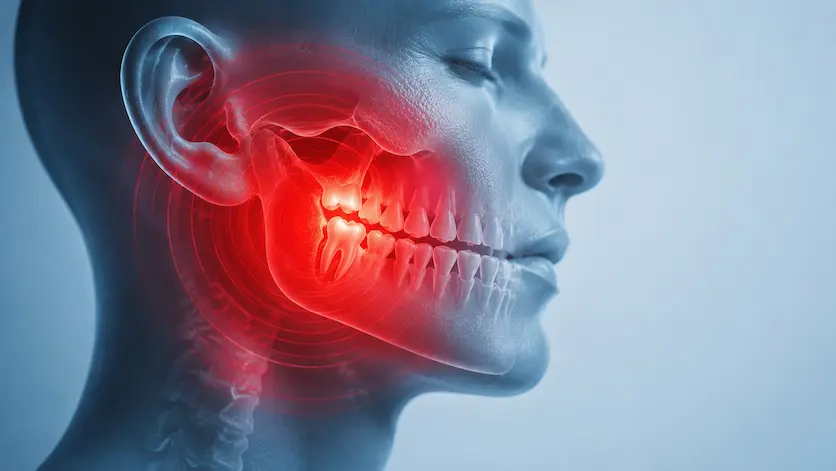
Some teeth can’t be saved. Decay that’s gone too far, a crack running below the gum, or a tooth sitting in the way of other work you need done. Wisdom teeth are a case of their own, and there’s a separate page for those.
When a tooth does have to come out, we’ll explain why, take you through what the appointment involves and what the next few days look like, then talk about your options for filling the gap once it’s healed.
Interested? Book Your Consultation Today
Book Your Appointment Today
Comprehensive General Dentistry
What Are Some Situation In Which We Need Tooth Extractions?
Why It May Be Needed
Severe Decay
When decay has destroyed too much of the tooth for a filling or crown to properly restore it, extraction is sometimes the only way to stop the damage spreading and protect your other teeth.
When decay has destroyed too much of the tooth for a filling or crown to properly restore it, extraction is sometimes the only way to stop the damage spreading and protect your other teeth.
Advanced gum disease can break down the bone and tissue holding a tooth in place until it becomes loose and unstable. If it can't be saved, removing it protects the health of the surrounding gum and bone.
Wisdom teeth that don't have enough room to come through properly can get stuck at an angle, causing pain, swelling, or pushing against the teeth next to them. Removing them prevents ongoing discomfort and infection.
A break that extends below the gumline or splits the root usually leaves too little healthy tooth structure for a crown or filling to hold onto, making extraction the safer option.
If there isn't enough room in the jaw for all your teeth to sit properly, removing one or two can create the space needed for braces or aligners to bring the rest into alignment.
When an infection is too severe for a root canal to resolve, or keeps returning, removing the tooth clears the source of infection and stops it from spreading to surrounding teeth or bone.
Services We Offer
General Dentistry
When a tooth is damaged, decayed, or broken, restorative treatment can get it back to full function. We offer fillings, crowns, bridges, and root canal treatment to repair the tooth.
Children's Dentistry
Children’s dentistry is all about building healthy habits early, helping little smiles grow strong with gentle, friendly care that keeps kids calm and confident at every visit.
Dental Implants
Dental implants are the gold standard for a permanent, natural-looking replacement. At Smile Connections, we’ll have you smiling with confidence again.
Veneers
Veneers are a simple way to completely transform your smile, covering imperfections with thin, custom-made shells for a flawless, natural-looking result.
Clear Aligners
Straighten your teeth without the metal brackets. Clear removable aligners gradually shift your teeth into place without anyone even noticing.
Teeth Whitening
Teeth whitening is one of the fastest ways to refresh your smile, using professional-grade treatment to safely lift stains and reveal a brighter, more confident you.
Payment Plans
Interest-free Payment Plans
Flexible payment plans, designed to make treatments more manageable.
General Dentistry Cosmetic Dentistry Family Dentistry
Book Your Appointment Today
We offer free cosmetic consultations
FAQs
Is getting a tooth extracted painful?
Typically tooth extraction are not meant to be painful. The area is fully numbed with local anaesthetic before we begin, so you shouldn’t feel pain during the procedure itself. Some soreness, swelling or bruising is normal for a few days afterwards, and this is usually managed well with over-the-counter pain relief.
How long does an extraction take?
A simple extraction usually takes 20–40 minutes. Surgical extractions, such as impacted wisdom teeth, can take longer depending on the position and condition of the tooth.
What's the difference between a simple and surgical extraction?
A simple extraction is used when the tooth is visible above the gumline and can be removed with standard instruments. A surgical extraction is needed when a tooth is impacted, broken below the gumline, or difficult to access, and may involve a small incision to remove it safely.
How long does it take to heal after an extraction?
Initial healing typically takes about a week to ten days, though it can take several months for the bone and gum tissue to fully remodel underneath. We’ll give you clear aftercare instructions to support healing in the first few days, which is when it matters most.
What is dry socket, and how do I avoid it?
Dry socket happens when the blood clot protecting the extraction site is dislodged or dissolves too early, exposing the bone underneath. Avoiding smoking, drinking through a straw, and vigorous rinsing for the first few days significantly reduces the risk. We’ll talk you through exactly what to avoid before you leave.
What can I eat after having a tooth removed?
Stick to soft, cool foods for the first day or two. Think yoghurt, mashed potato, or soup, and avoid anything hot, crunchy, or chewy near the extraction site until it’s settled down. We’ll guide you on when it’s safe to return to your normal diet.
Will I need to replace the tooth afterwards?
Not always, but for teeth that play an important role in your bite or appearance, we may discuss options like an implant, bridge, or partial denture to fill the gap and keep neighbouring teeth from shifting.